Shooting for a brand's catalogue
Commissions
Apr 17, 2026
Jonas Weber
Commissions
Shooting for a brand's catalogue

Fig. 01
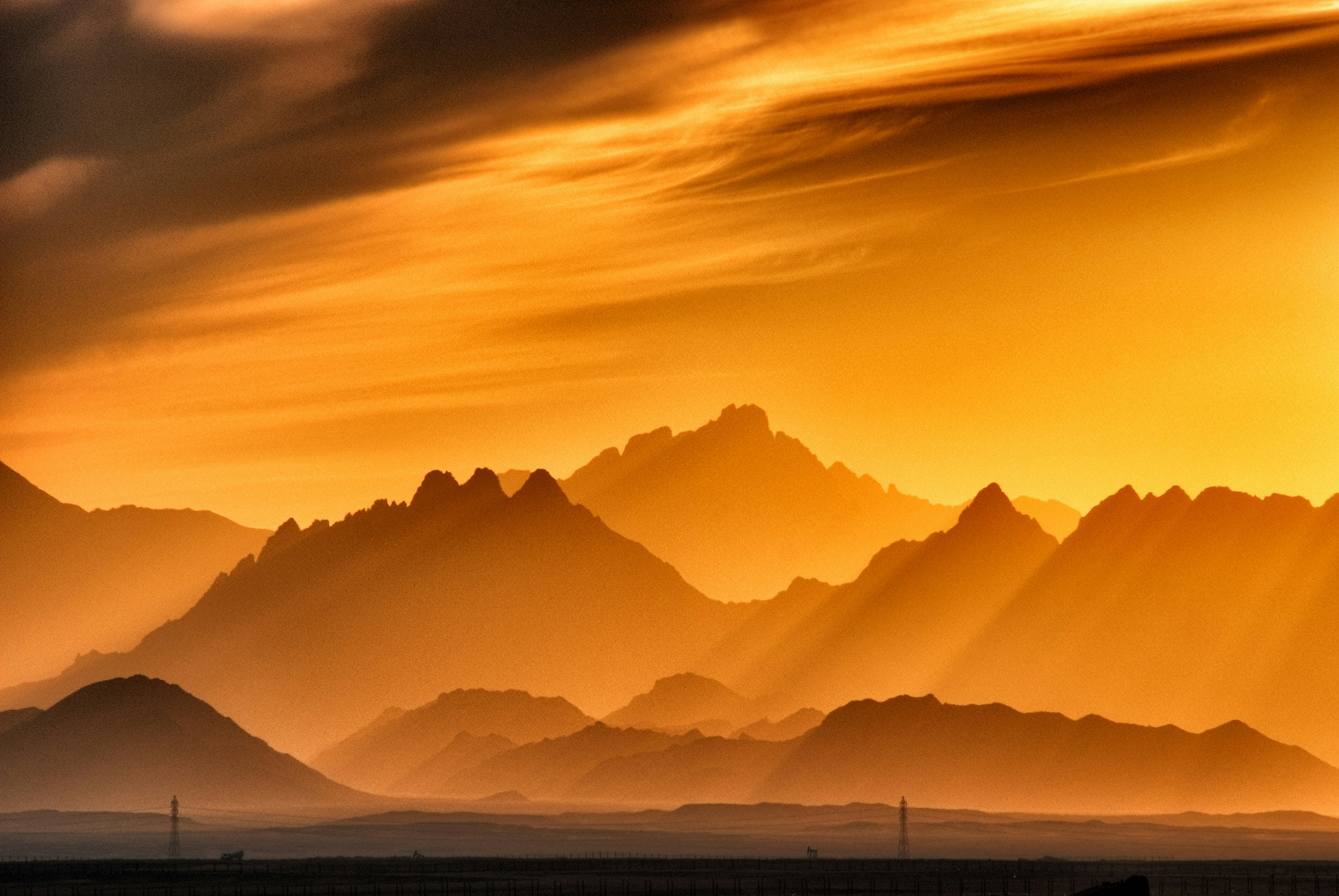
Thirty products, three days and one rule: every picture has to belong to the same morning.
One picture can get away with almost anything. A catalogue can’t: thirty products have to look as if they were photographed in one place, on one morning, by someone who never changed his mind.
For Fjellsteig Outdoor that meant three days in the studio with jackets, boots, rucksacks and flasks, and a rule that decided everything else. Once the light was set on the first day, nobody touched it again, not even me.
It sounds rigid, and it is. The freedom in a catalogue lives in the products themselves, never in the light around them.
Setting one morning on the first day
The first day starts with no products on the set. Most of the morning goes into building a light that will still be right on the third afternoon, for the thirtieth piece.
By lunch the set is lit, measured and photographed empty, so there is a reference frame to hold everything else against.
The light
My own pictures are made by the north window. A catalogue gets strobes, because a client needs the same light on every picture and daylight in Hamburg changes by the hour.
I shape them to look like a soft window in the morning, from the left and a little above the products. Then every stand is locked off and taped to the floor.
Morning light suits outdoor gear. It is soft enough to show the weave of a fabric and directional enough to give a boot its shape.
Why the window gets covered
Daylight leaking in from the north window would add a second source, and a moving one. A blackout blind goes down on day one and stays down until the last frame.
The mark
Every product sits on the same spot, marked on the table with two strips of tape, at the same distance from the camera and seen from the same height.
Boots and rucksacks are different sizes, so the framing changes. The camera, the table edge and the angle of the light don’t.
Each product also faces the same way, turned a few degrees towards the strobes, so its shadow falls to the same side on every page.
The order
Products go in a fixed order, agreed with the client beforehand, with the hardest ones first. Anything dark, shiny or awkward is shot on day one, so a reshoot has two more mornings to happen in.
One piece usually opens the catalogue. It gets the best hour of day one, once the set has settled and before anyone is tired.
Ten products a day, no more
Thirty products over three days sounds relaxed. Once the set is built and the reshoots are done, it works out at ten a day, which leaves room for the things that always take longer than planned, such as a zip that won’t lie flat.
This is how the Fjellsteig days were split:
Day | Morning | Afternoon |
|---|---|---|
One | Build and lock the light | Ten hardest products |
Two | Reshoots from day one | Ten more products |
Three | Reshoots from day two | Last ten, final proofs |
The simplest pieces are kept for the third afternoon. Nothing shot then has a next morning to be fixed in, so it has to be the work least likely to need one.
Flasks and anything glossy, all on day one, take longest, because they reflect the whole studio, photographer included. Each one gets a few black cards placed round it until the only reflections left are the ones I want.
Proofs side by side every evening
At the end of each day the client sees every picture side by side on one screen, in catalogue order, at the same size. A single picture hides a lot; thirty in a grid hide nothing.
We look for anything that breaks the morning: a shadow falling a little longer, a white background drifting towards grey, a jacket sitting higher on its mark than the one before.
The screen is calibrated, and every picture is shown at the size it will print, so nobody falls for a detail that ends up the size of a stamp.
Anything that doesn’t match is shot again first thing the next day, while every stand is still exactly where it was.
“Seeing the whole day in one grid each evening meant the catalogue never surprised us at the end. It reads as one morning because we checked it every night.”
Lena Krüger, brand lead at Fjellsteig Outdoor
Those evenings are also where the best decisions get made. A product that looked fine alone can look heavy beside its neighbours, and it is far cheaper to notice that in the studio than at the printer.
What I ask for before day one
Most of a catalogue shoot is decided before anyone arrives at the studio. A week ahead, I ask the brand for a short pack:
The final product list, in catalogue order.
A page layout showing where each picture sits.
Fabric swatches for any colour that must match.
A file-naming scheme agreed with the designer.
The naming sounds dull until someone is hunting for the grey jacket among thirty files with numbers for names. It also means every picture arrives labelled for the page it was made for.
What I don’t need is a mood board of other brands’ catalogues. The products and the page plan say more about the look than any borrowed picture.
With that pack in hand, the first morning can go entirely into the light.
Planning a catalogue of your own
If you’re preparing a catalogue, decide the light once and protect it. Shoot the difficult products first, look at every day’s pictures together before anyone goes home, and save the simplest for last.
As a rough rule from that job, count the products and divide by ten to find how many days to book.
Each day of shooting is €1,800, with editing and a two-year licence included; Fjellsteig’s thirty products took three of them.
I take on about twelve commissions a year, so each one gets the days it needs. If you have a range to photograph, tell me what the pictures are for.
Newsletter
A short letter when a new series or journal post is out, about once a month.
More from the journal