Ten minutes after sunset
Field notes
Sep 18, 2026
Jonas Weber
Field notes
Ten minutes after sunset
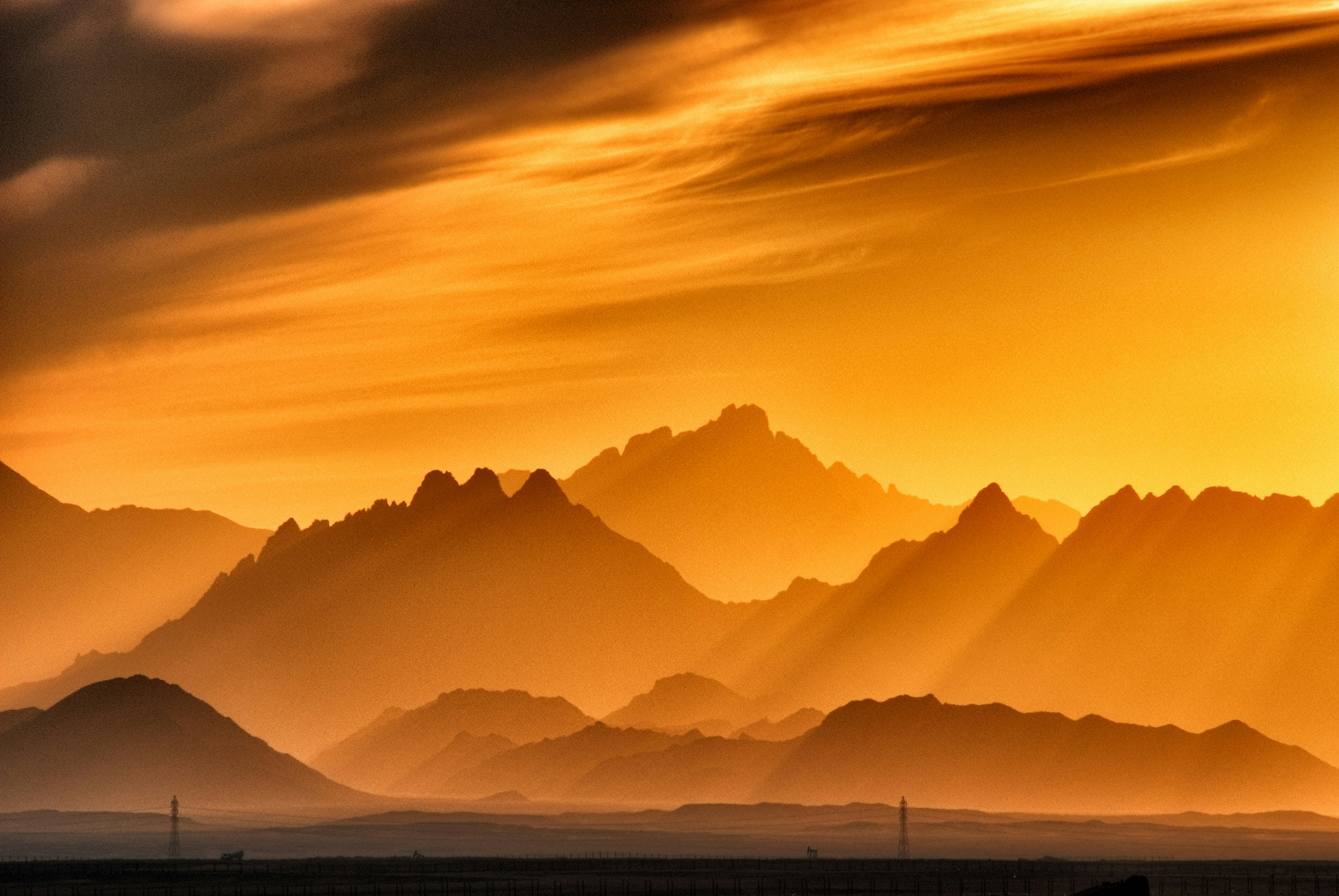
Fig. 01
Why most of Alpenglow was made in the same short window each evening, and how I plan a climb around it.
The sun slips behind the ridge at my back, and for a moment nothing happens. Then the snow on the far side of the valley turns from white to orange, then pink, then grey. The light I want lasts about ten minutes, and it has gone before my hands are properly cold.
So most evenings on that trip through the Bavarian and Austrian Alps looked the same. A climb in the afternoon, the tripod up by six, and a long wait with the camera already on it and the frame already chosen.
It’s a lot of walking for very little light. All of Alpenglow came out of that trade, and I’d make it again tomorrow.
The light starts behind you
The glow I’m after isn’t sunset light. By the time it begins, the sun is already below the ridge behind me, and the far peaks are lit by whatever is left in the western sky.
That afterglow changes fast, in three stages. Each one asks for something different from the person standing at the tripod.
Orange, while the sky is still bright
The first minutes are the warmest. Snow goes orange from the summit down while the sky behind it stays pale, so the contrast is as high as it will be all evening.
I spend this stretch checking the exposure on the safe frame. It’s tempting to shoot everything, but the best of the colour hasn’t arrived yet.
Pink, the minutes I climbed for
Then the orange cools to pink, and the shadows on the rock fill with a soft blue. Light now comes from a wide, dim sky rather than a single sun, so nothing in the frame has a hard edge.
This is when I move to the second frame and work slowly. One exposure, a pause to watch the ridge, then another.
Leave the screen alone
Every look at the back of the camera costs ten or fifteen seconds, and the whole window only holds about six hundred of them. Nothing gets checked until the walk down.
Grey, and time to go
The last stage comes quickly. Colour drains from the top of the peak first, the snow turns the grey of wet paper, and the sky ends up brighter than the mountain.
That’s my signal to pack up while I can still see the stones under the tripod legs. The path down is still ahead of me, and the valley is already dark.
An afternoon spent climbing for it
Ten minutes of light costs a whole afternoon of getting there. I leave the valley after lunch, climb at an easy pace, and reach the ridge with time to spare rather than with my heart in my ears.
The spare time is the point. An hour before the colour is due, I walk the ridge with the camera in my hand and no tripod, looking for the two frames I’ll come back to.
By six, everything that can be decided has been:
The tripod stands on the stones I placed an hour before.
The safe frame is composed, focused and tested.
The second frame is marked a few steps along the ridge.
The head torch sits in a jacket pocket, not the bag.
After that there’s nothing to do but wait, which is harder than the climb. Standing still in a cooling wind is its own kind of work, and the warm layer I nearly left behind earns its place every evening.
Two frames chosen in daylight
Once the colour arrives there’s no time to look around. Both frames are chosen in plain afternoon light, when nothing is flattering and I can judge the shapes on their own.
One is wide and safe. The other is the one I actually want: usually tighter, with a single ridge line against the sky.
What differs | Safe frame | Frame I want |
|---|---|---|
Focal length | Near 70 mm | Near 200 mm |
What it holds | Peaks, valley and sky | One ridge, the sky |
When it works | All ten minutes | The pink minutes only |
How often it works | Most evenings | A few evenings |
The safe frame is insurance. If a bank of cloud in the west takes the pink before it reaches the snow, I still walk down with a picture, and the day still counts.
The tight frame is why I came. “Snow peak in the last light” is one of those, a single peak and its edge against the sky with nothing else to hold on to.
Finding that spot again in the half-dark is the hard part, so I mark where the tripod legs go with stones: three small piles on the rock, set while the light is still ordinary.
What ten minutes give a picture
Afterglow does three things to a mountain that direct sun never does:
It lays flat light across every face of the ridge.
It puts colour into the shadows instead of black.
It softens the edge where the snow meets the rock.
That’s why the series looks calm, even on the steep pictures. A slope that would look dangerous in hard light looks almost gentle, because no shadow cuts it in half.
The same evenness holds the set together. Editors notice it before anyone else, because they’re the ones putting pictures side by side.
“Every picture in Alpenglow is lit the same way, so any two can face each other on a spread. That almost never happens with mountain work.”
Tobias Ahrens, photo editor at Nordlicht Magazine
Planning your own ten minutes
You don’t need the Alps for this. Any hill with something worth looking at across a valley will do, as long as that far side faces the sunset and you stand with your back to it.
Look up the sunset time and plan to arrive an hour before it. Choose a safe frame and a brave one, mark the tripod, then stop moving once the sun has gone and watch the far side rather than the sky behind you.
When the colour fades to grey, pack up while you can still see the path. The ten minutes come round again the next evening, and the second night is always easier than the first.
If you’d like to see a trip’s worth of those evenings side by side, the whole series is in the book.
Newsletter
A short letter when a new series or journal post is out, about once a month.
More from the journal