What a photo editor asks for
Commissions
Jul 24, 2026
Jonas Weber
Commissions
What a photo editor asks for
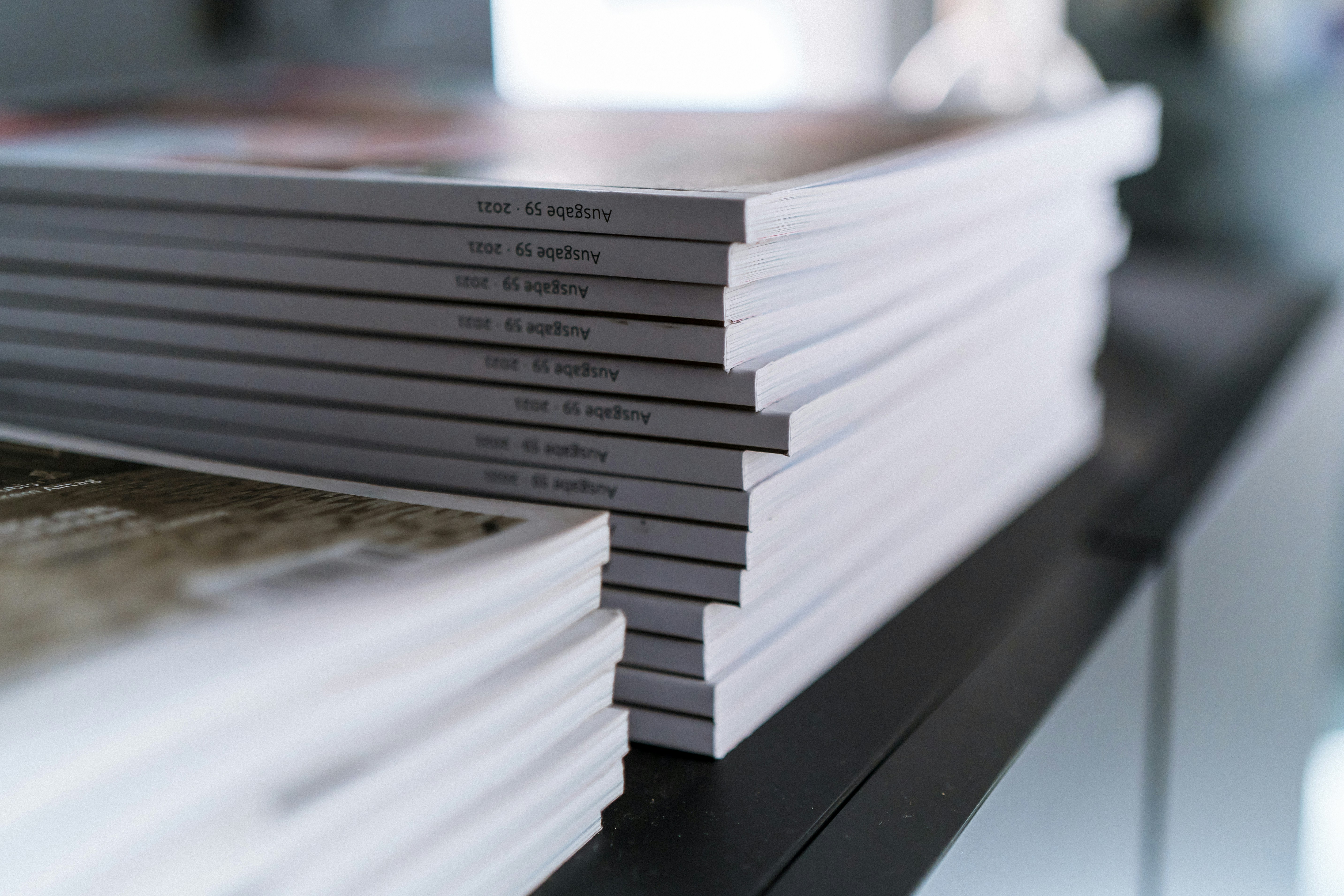
Fig. 01
The five things every magazine brief has asked me for, and the one they never write down.
A magazine brief usually arrives as half a page in an email: the story, the dates, a name or two, and a short list of what the pages need. The stories change every time; the list hardly does.
I’ve been reading these since 2013, and the same five requests turn up every time, in some order. There’s also a sixth that never makes it into the email, and it tends to become the biggest picture in the issue.
Most of it is obvious once you’ve watched a magazine being laid out, and invisible until then. This is how I read each line now.
The same five things, every time
Every brief words them a little differently, but underneath, the five never change. On the left is what the email says; on the right is what it means once I’m standing in the place.
The brief says | What it means on the day |
|---|---|
A cover option | Portrait, with empty space above |
A wide opener | Landscape, nothing in the fold |
Two or three details | Close frames, different scales |
Everything by the deadline | The edit sent a day early |
Files named properly | Names a designer can search |
None of this is glamorous. It’s the part of the job an editor shouldn’t have to think about, which is exactly why they ring the same photographer twice.
Three pictures the layout needs
Three of the five are pictures, and each has a shape decided long before I arrive. The designer already has a grid, and my job is to fill it without anyone noticing the grid was there.
A cover with room for the title
The cover is portrait, and the top third of it belongs to the magazine. Title, issue line and sometimes a headline all sit there, so that part of the frame has to be quiet: sky, a wall, snow, still water.
It’s also the only picture of the job that people see without opening the magazine, on a news stand or a phone screen. So I make it early in the day, while there’s still time to wait for the right empty space, and I make several. The editor picks; I only offer.
Leave the top third empty
If a shape in the top third still reads at thumbnail size, the title will fight it. A flat grey sky beats a beautiful cloud every time.
An opener for the spread
The opener runs across two pages, so its middle disappears into the binding. Anything that matters, a fox, a ridge line, a bend in the road, has to stay out of the centre.
Mind the fold
When I edit openers, I hold a strip of card over the middle of the screen. If the picture still works with that strip in place, it will survive the gutter.
Two or three details
Details are small on the page and do a lot of work there. They break up the text, show hands and tools and surfaces, and give the reader a reason to slow down.
I look for different scales: one very close, one at arm’s length, one that shows a whole object. Three of the same size read as one picture repeated.
Two that aren’t pictures at all
The last two lines on the list have nothing to do with light, and they’re the ones photographers skip.
Deadlines come first. The real one isn’t the day the files arrive; it’s the day the designer can start. So the edit goes out a day before the date in the brief, which gives the editor an evening to change their mind.
A late delivery costs more than one person’s evening. It can push the whole issue back, and somebody has to explain that to the printer.
File names sound like admin, and they are. Still, a designer looking for the second detail at 23:00 should find it without opening every file in the folder, so each name I send is built from three parts:
The story’s short name, the one the editor already uses.
The picture’s job: cover, opener or detail, spelt the same way.
A two-digit number, so the files sort in order.
It takes ten minutes at the end of an edit and saves the designer a long night. Editors remember that longer than they remember a good sky.
The picture the brief leaves out
The sixth thing is never in the brief. Editors want one picture they didn’t ask for: something from the edge of the job that tells the story better than the brief did.
It might be the back of the building rather than the front, the road on the way in, or the last few minutes after everything on the list is done. That frame is rarely the most beautiful of the day, but it usually explains the most.
A brief is written at a desk, weeks before anyone stands in the place. It can only ask for what the writer can already imagine, so the best picture is often one it had no words for.
That doesn’t mean ignoring the list. The unasked picture only counts once every asked one is safe on the card, and an editor who gets a brilliant extra and no cover won’t call again.
In my experience, though, that extra is the picture that runs largest.
Leaving room for the unasked picture
So I plan for it. On every commission I keep the last hour of the day free once the brief is covered, and walk the edges of the place with no list at all.
Taking about twelve commissions a year is what makes that hour possible. Each job gets the days it needs, rather than the days left over.
Some jobs never give me the hour. When the weather turns or the day runs long, the brief wins, and the edit goes out without a sixth picture.
“The brief is everything I can picture from my desk. The photograph I’m hoping for is always the one I couldn’t.”
Clara Henning, photo editor at Nordlicht Magazine
If you’re the one writing a brief, write the five things as plainly as you can, then add a last line: and anything else you find. It costs nothing, and it gives the photographer permission to look past the list.
Every enquiry gets a reply within two working days. If you have a story that needs pictures, tell me what the pictures are for.
Newsletter
A short letter when a new series or journal post is out, about once a month.
More from the journal